
Walk into almost any vendor negotiation today, and the phrase “BIS certified” gets tossed around like a casual buzzword. It is usually treated as a basic, administrative checkbox to clear compliance. When procurement teams look for certified power cord manufacturers, they often just glance at a physical sample, spot the familiar ISI logo stamped on the plug, and immediately pivot to negotiating the unit price.
That is a terrifying way to buy electrical components.
The Bureau of Indian Standards does not just hand out those marks for aesthetics. Under IS 694—the rigorous standard governing PVC insulated cables for working voltages up to 1100V—that certification is a strict mathematical guarantee. It legally dictates the exact purity of the electrolytic copper. It enforces hard minimums on the PVC jacket’s thermal stability and its resistance to flammability. It means the cord is actually engineered to survive the erratic, heavy harmonic distortions that define the Indian power grid.
According to data from the Central Electricity Authority (CEA), electrical short circuits are responsible for roughly 40% of all industrial and commercial fires in India. A massive portion of those catastrophic failures originate right at the point of connection—the power cord.
We recently consulted with a consumer appliance brand that had sourced a massive batch of cords from a secondary vendor to cut costs. The cords had the ISI mark printed right on the jacket. They looked perfectly fine to the naked eye. But when subjected to a basic high-voltage (HV) continuity test, the internal insulation failed completely under a standard load.
The copper was heavily adulterated with aluminum. A counterfeit mark. Total liability.
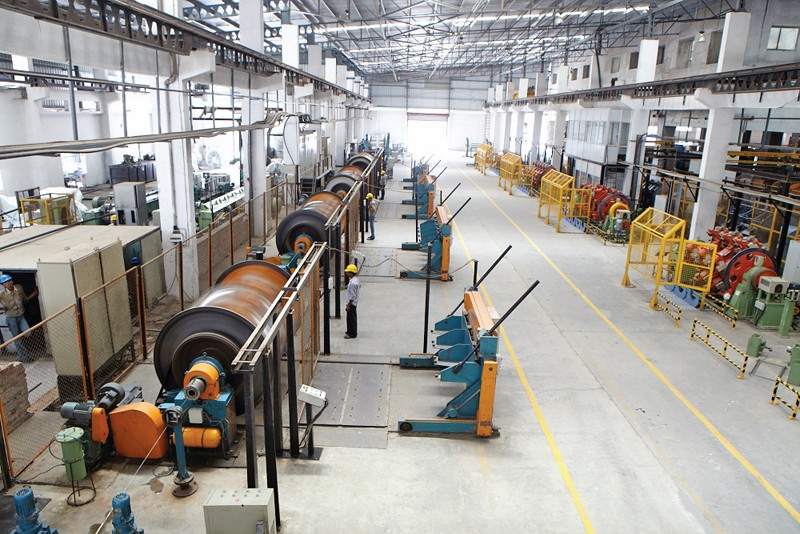
This is exactly why deep supply chain transparency is completely non-negotiable. A beautifully molded plug is completely worthless if the raw cable hidden inside it is structurally compromised. You have to ensure that the vendor maintains absolute control over their material sourcing, which is why partnering with deeply established cable and wire manufacturers in India is critical.
If your current supplier hesitates to instantly produce their valid CM/L (license number), or if that number does not actively populate when you check it on the official BIS Care app, you need to halt the contract immediately.
At Nisan Cords, we view BIS certification as the absolute baseline of manufacturing, not the final goal. When you tether a high-draw appliance or an expensive piece of industrial machinery to a wall outlet, you are taking direct responsibility for your end user’s physical safety.
Stop treating compliance like a paper-pushing exercise. Do not just look for a printed logo. Demand the recent lab reports. Ask to see their raw material testing logs. A genuinely certified, verifiable power cord is the only thing standing between your product functioning flawlessly and a devastating product liability lawsuit.